Emerging patterns
A close look at the above PSU initiatives reveals some emerging patterns in how these organizations are approaching employee well-being.
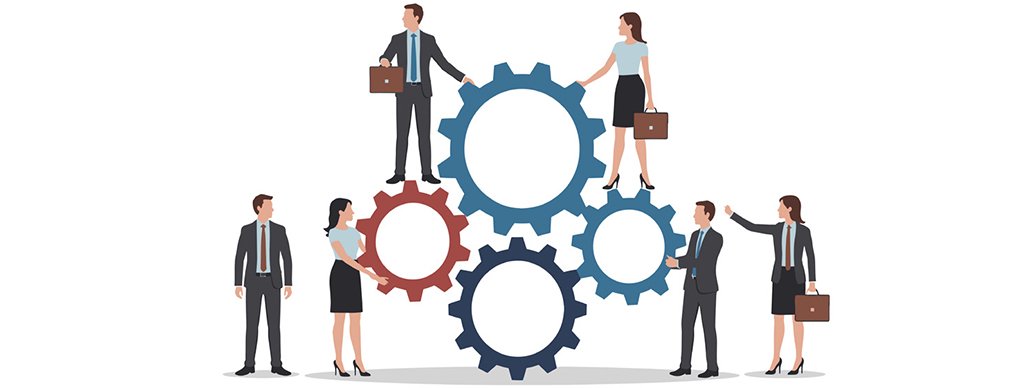
First, the most successful efforts treat physical, emotional, and social health as an interconnected system rather than separate programs. Initiatives that combine wellness, mental health support, and community engagement create a more holistic impact on employees’ daily experience.
Second, well-being is increasingly being embedded through structured, recurring practices rather than one-off events. Monthly wellness hours, themed well-being weeks, and ongoing workshops ensure that care becomes part of the work rhythm, creating familiarity and consistency. These repeated touchpoints help normalize conversations around stress and mental health, reducing stigma and making support accessible.
Third, organizations are turning to technology-enabled solutions to personalize care. AI-based assessments, digital mood trackers, and tele-counselling platforms allow employees to access help on demand and provide leaders with insights into workforce well-being. When thoughtfully implemented, such tools can complement human support and strengthen the culture of care.
Another important pattern is extending well-being beyond employees to families and communities. Recognizing that employees’ home environments influence their engagement at work, some PSUs have incorporated family-inclusive programs and community outreach. This broader lens demonstrates that well-being is systemic and relational, rather than limited to workplace interventions.
Finally, leadership involvement is key. When senior leaders actively participate in well-being programs, share personal experiences, or visibly support initiatives, it sends a strong signal about the organization’s values. Programs without leadership modelling often fail to create lasting change, no matter how well-designed they are.
While these examples are inspiring, programs alone cannot sustain a culture of well-being. Engagement, accessibility, and measurable outcomes are critical for long-term impact. Without consistent support from leaders and alignment with organizational practices, even high-quality initiatives risk remaining symbolic. Perhaps then the approach is to move towards a culture driven wellbeing practice.
Why culture-driven well-being matters
Embedding employee well-being into organizational culture is no longer a “nice-to-have” — it directly drives motivation, performance, and resilience. In our consulting experience, organizations that adopt a systemic, culture-driven approach are better equipped to retain talent, foster innovation, and maintain high engagement, especially in complex, high-stakes environments.
Insights from organizational psychology have consistently highlighted that sustainable well being requires deliberate design and continuous reinforcement. Programs must move beyond episodic interventions to become everyday practices, aligning workflows, leadership behaviors, and team norms to reinforce well-being consistently.
Simple but impactful measures — role clarity, manageable workloads, autonomy, peer support, and inclusive practices — can transform work from a source of stress into a source of purpose. Leadership coaching can normalize conversations about mental health, celebrate effort, and model balance. Measurement and feedback ensure these initiatives translate into lasting cultural change, rather than temporary participation.
The way forward
The future of employee well-being lies in embedding it into the fabric of everyday work. It is not a checklist of programs but a way of working, leading, and connecting. Organizations that
integrate empathy, accountability, and evidence-based practices into routine workflows are more likely to cultivate resilient teams and sustainable performance.
The true measure of success is not the number of wellness campaigns or hours logged, but the extent to which well-being is felt, seen, and practiced daily — supported by leaders, embedded in work structures, and experienced as part of the organization’s DNA.
Shift from compliance to culture
Culture-driven well-being is a strategic enabler of performance, engagement, and retention. Infact, Gallup’s 2023 research shows that employees who feel cared for are 3.2× more likely to stay and 5× more likely to advocate for their organization — a crucial advantage for PSUs constantly under public scrutiny.
This shift is thus in organizational mindset, and not just as a program. Well-being here is deliberately woven into daily work, creating systems that actively support mental, emotional, and social health, foster meaningful connections, and align employees’ efforts with organizational purpose. Standards such as ISO 45003:2021 reinforce the importance of integrating psychological and social well-being alongside physical safety. Evidence shows that culture-driven care drives higher engagement, lower attrition, stronger collaboration, and greater innovation. For PSUs, this approach strengthens motivation, resilience, and pride in service.
Embedding well-being into work, leadership, and community
For well-being to truly thrive in PSUs, it has to move beyond policy documents or appear in a once-a-year workshop to employee wellbeing experience – as lived, felt, and seen in the way work happens, leaders lead, and people connect.
The apt question then is- how can PSUs with its unique characteristics, like the sheer headcount, working style, complexities, establish such a culture that drives employee wellbeing experience. The answer is in no way straightforward, but involves a gradual shift in mindsets and intricacies of everyday work life. We have worked with multiple organizations and found that the following fundamental changes deliberately can mould employee expereinces:
Redesigning work The first step is making work itself less stressful and more meaningful. Too often, processes are complex, hierarchies rigid, and decisions slow — all silently draining energy. Giving teams clarity, autonomy, and the freedom to make decisions can transform daily tasks from a source of pressure to a source of purpose. Even simple measures like clearly defined roles, manageable workloads, and built-in “focus hours” make a world of difference. Studies show that employees with autonomy report higher engagement and lower stress — a simple win for both people and productivity.
Leadership that walks the talk Employees notice what leaders do more than what they say. Leaders who model balance, celebrate effort, and openly discuss challenges send a powerful message: well-being is part of how we work, not an optional add-on. Check-ins during high-pressure phases, recognition for consistent effort, or even sharing stories of personal work-life lessons can normalize healthy conversations about stress and emotional strain.
Building community and connection Humans are social creatures — even in large PSUs, connections matter. Peer mentoring, cross functional projects, storytelling sessions about the impact of work, and recognition programs create bonds that go beyond the office desk. These practices also shine a light on often invisible contributions: mentoring a new colleague, keeping a team cohesive, or quietly solving problems behind the scenes. Feeling seen and valued fuels motivation and strengthens the sense of belonging.
Inclusivity and growth Well-being isn’t one-size-fits-all. Employees bring diverse thinking styles, cultural backgrounds, and learning preferences. Designing programs that reflect this diversity — while providing opportunities for skill-building, mentorship, and rotational projects — turns daily work into a space for growth. When people see that their efforts contribute to both their own development and the PSU’s mission, their work gains meaning, energy, and pride.
From security to flourishing The real magic happens when PSUs shift from compliance-driven welfare to culture-driven care. Safety, stability, and benefits are still essential — but now they coexist with energy, creativity, and engagement. The workforce is no longer just protected; it’s enabled to thrive. Teams become resilient, motivated, and proud to serve, and the organization itself becomes more agile and effective.
Forward-looking PSUs are already experimenting with these ideas. Some are integrating wellness metrics into performance reviews, others are launching mentoring circles to break down silos, and a few are even piloting flexible work rhythms to reduce burnout. What these initiatives have in common is culture: well-being isn’t a program; it’s a way of working together every day.
Concluding thoughts
In conclusion, the journey from compliance-driven welfare to culture-driven well-being is both a challenge and an opportunity for PSUs. Embedding care into daily work, leadership behaviors, and team interactions transforms workplaces from protective environments into thriving ecosystems of engagement, creativity, and resilience. The organizations that embrace this shift will not only sustain performance but also cultivate pride, trust, and purpose among their people.
From an organizational psychology perspective, the key lies in systemic thinking, deliberate design, and behavioral sustainability — ensuring that well-being is experienced, measured, and reinforced every day. At Birdie Consulting, we see this evolution as a vital step for PSUs
seeking to future-proof their workforce, where care becomes culture, and culture becomes a strategic advantage.