pooja

Breaking Good: Sabbatical leave- A comprehensive insight

Having lost everything in a game of dice, the Pandavas were exiled from their kingdom to live in the forests for 12 years, and further, they were required to spend a 13th year incognito. If their disguise were discovered during the 13th year, they would face another cycle of 13 years in exile. Contrary to what might be expected, these 13 years did not diminish their mental resilience or abilities as warriors and statesmen. During their 12 years in the forest, the Pandavas prepared for an impending war by performing penance and acquiring celestial weapons from the Gods. They also met with several ascetics and gained insights into life and dharma.


Living with Meaning: Workplace Spirituality, Mindfulness, and Purpose

“No one saves us but ourselves, no one can, and no one may. We ourselves must walk the path. Health is the greatest gift, Contentment the greatest wealth.”

Is Living Alone a Curse or a Boon? No, It is an Art

This article analyzes the positive and negative effects of living alone. It explores how living alone can support personal growth and examines the behavioural changes that may negatively impact health and management.

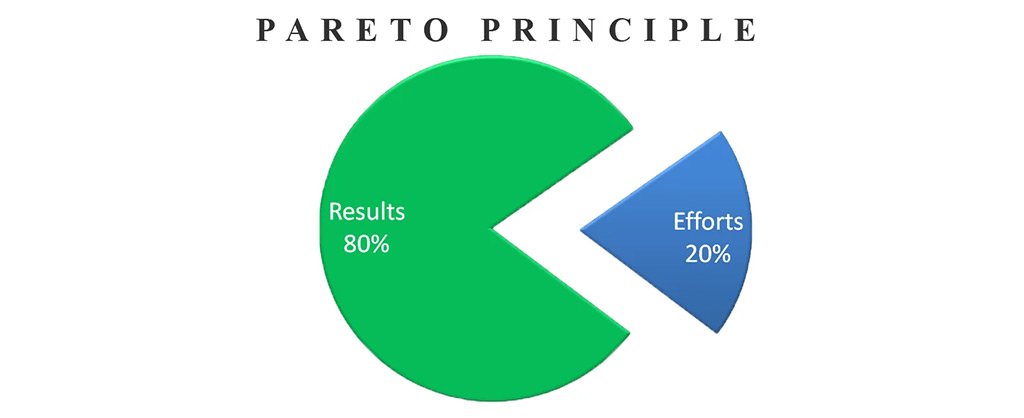
Pareto Principle in the Workplace

The Pareto principle, also known as the 80/20 rule, is a theory that states that 80% of outcomes come from 20% of the inputs. The principle is named after Italian economist Vilfredo Pareto, who first observed the phenomenon while studying income distribution in Italy. He noticed that 80% of the country’s income was owned by 20% of the population. Pareto theorized that this ratio could be found in many areas of life and might indicate a natural law.

Talent Management in Post-Independent Indian Governance- A Case Study

After gaining independence on August 15, 1947, India while rising from the ashes of the war, famine and communal strife and making a tryst with destiny, embarked on the ambitious journey of nation-building, striving to establish political stability, foster economic growth, modernize infrastructure, and promote social equity. The success of these objectives required not just a clear vision but also a systematic and strategic approach to talent management. Leaders recognized that mobilizing expertise across various sectors would be critical to addressing challenges and harnessing opportunities.

Generation Z in the Workforce: Challenges and Opportunities

Generation Z, born between 1996 and 2012, is characterized by their digital proficiency and reliance on technology, playing a crucial role in economic development. They bring unique skills, beliefs, and perspectives to the workplace, shaped by their experiences with evolving technologies. Gen Z values work-life balance, purpose-driven work, diversity and inclusion, career growth, technology integration, transparent communication, and social responsibility. Organizations benefit from Gen Z’s digital fluency, entrepreneurial mindset, and passion for social impact. However, recruiting and retaining Gen Z employees presents challenges, including communication gaps, adapting to their expectations, and balancing flexibility with productivity. Employers can address these challenges by optimizing communication workflows, ensuring transparency, engaging through interactive content, offering continuous learning opportunities, providing flexible work arrangements, and delivering frequent, honest feedback.

Subscribe
Our Newsletter