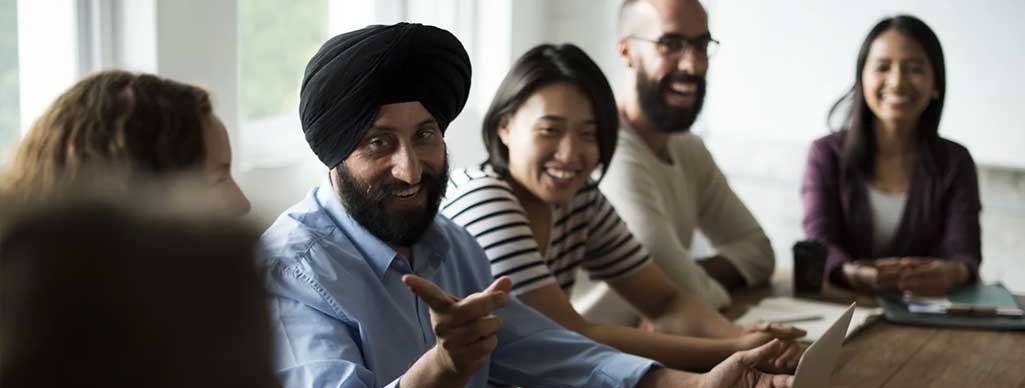
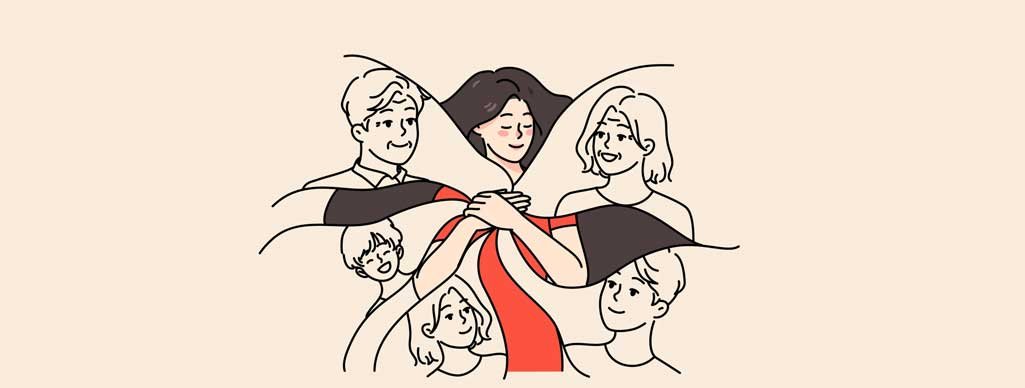
The diversity of the workforce in an office environment is gradually expanding today. Though both the younger and older generations have their own contributions to make, each of them has a completely different experience, which in turn means implementing different types of knowledge at the same time. To harness this raw generational power, employers could, in both a purposeful and somewhat mutually beneficial way, create a pathway of convergence between the generations to build a more cohesive workplace.

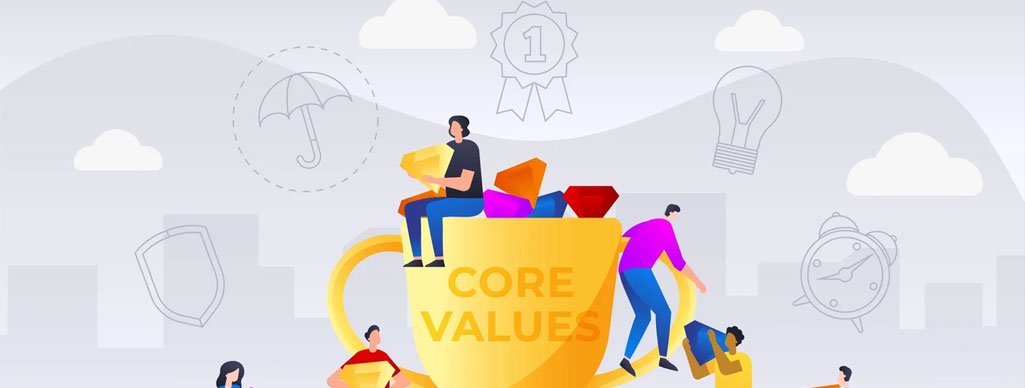
What drives a company forward? What distinguishes the company from similar ones in the field and what makes it unique?
We could assume that it has to do with the brand value, the way an organization is handling the customers, and overall branding. Or the brand uses specific colors, pictures, and logos that make it unique. Or how about the name of the company? That is unique. But is it?

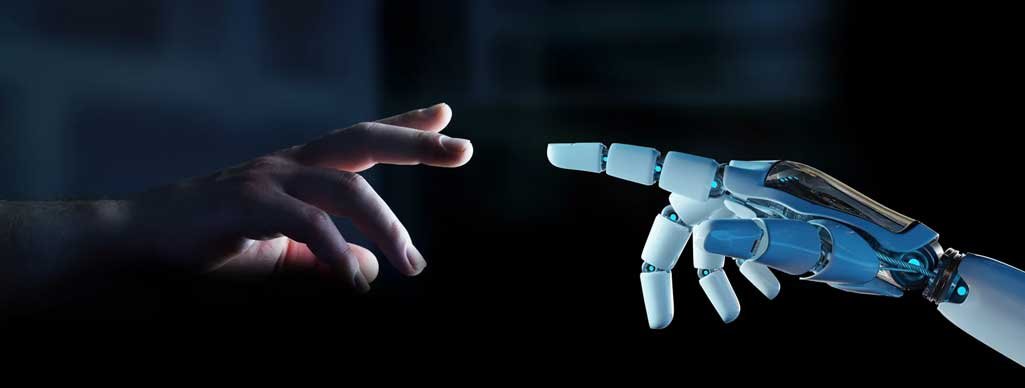
Abstract: The rise of Artificial Intelligence (AI) presents a confounding dilemma for HR professionals. On the one hand, AI has tremendous potential for HR to improve workflows, enhance productivity and enable data-driven decision-making. On the other, AI-based tools can lead to unfair discrimination, lack of transparency, breach of privacy and erosion of employee trust.

The ancient definition of health refers to a state of balance between mind soul and senses as opposed to a unilateral understanding of a body free from illness in the cotemporary times. This state of equanimity helps people to perform to their maxima in their respective ecosystems which includes workspaces. The concept has become even more relevant post the global pandemic of COVID-19.