b4ioclsocial

Wellbeing Amidst the Deadlines! What’s Your Story?

Mental health, wellness, and workplace wellbeing dominate today’s conversations—in boardrooms, surveys, and social media alike. Yet behind the word clouds are real stories of stress, burnout, and emotional strain. The highly digital, fast-paced, volatile, and uncertain world of work has reminded us of a timeless truth: the growth of organisations cannot come at the cost of people’s holistic well-being. After all, organisations are made by people—and people must thrive if workplaces are to truly flourish.

Will holistic health transform the workers into a thriving workforce?

Abstract This article reveals a domain that has been forgotten—one that was practiced by people in the past those who achieved good health through mind-body coordination and the power of mental control.

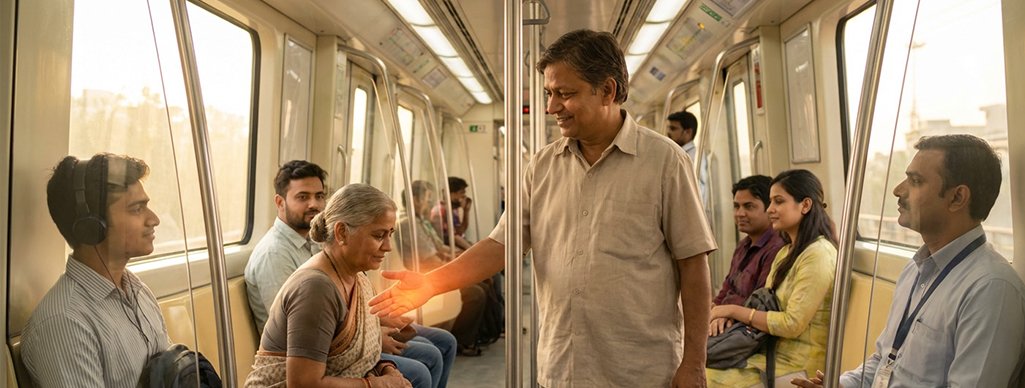
The Compassionate Commute and Benign Stress: A New Road to Well-Being

In today’s demanding work environment, achieving genuine well-being requires a holistic approach that integrates personal habits with scientific insight. This article explores a transformative path to resilience by introducing the daily practice of the “Compassionate Commute”—a simple ritual of empathetic connection that fosters immediate calm. It reframes stress as a potential ally, distinguishing between performance-enhancing challenge stressors and energy-draining hindrance stressors. Drawing from diverse fields, the article synthesises lessons from longevity-rich Blue Zones, the neurochemistry of happiness, and the cognitive reappraisal of limiting beliefs. It culminates with an evolved understanding of the Job Demands-Resources (JD-R) theory, arguing that the most critical resource for modern professionals is their capacity for continuous learning and adaptation. By consciously nurturing physical, mental, emotional, social, and spiritual dimensions, we can build a sustainable foundation for well-being that turns pressure into growth and fosters a more fulfilling professional and personal life.

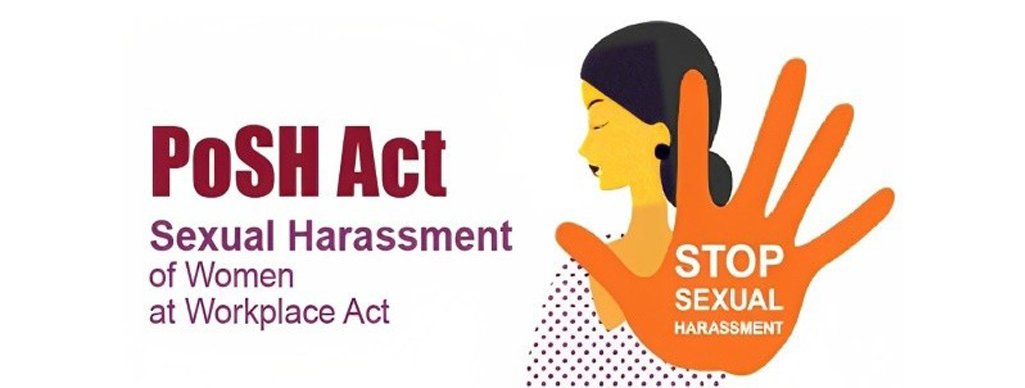
A Comparison Between the Vishaka Guidelines and the PoSH Act

Sexual harassment is a longstanding societal issue that has plagued workplaces, often undermining women’s dignity, safety and right to equal opportunity. Until the late 1990s, there was no formal legal definition or statutory remedy addressing workplace sexual harassment in India. This gap was first addressed by the Supreme Court of India in 1997 through the landmark Vishaka vs State of Rajasthan judgment. The judgment laid the foundation for the Vishaka Guidelines, which were judicially enforceable directives ensuring the protection of women from sexual harassment at workplaces.

In 2013, the enactment of The Sexual Harassment of Women at Workplace (Prevention, Prohibition and Redressal) Act, commonly known as the POSH Act, marked a crucial shift in the legal landscape. It codified and expanded upon the Vishaka Guidelines, transforming them into a comprehensive statute.

From Wellnes to Workforce Vitality: A Strategic Approach

A decade ago, corporate wellness programs were considered cutting-edge. Organisations proudly offered gym memberships, fruit bowls in the pantry, or an annual yoga session. These were well-intentioned efforts, but let’s be honest—did they truly change how employees felt about work?

Beyond welfare: How PSUs can lead India’s next employee well-being revolution

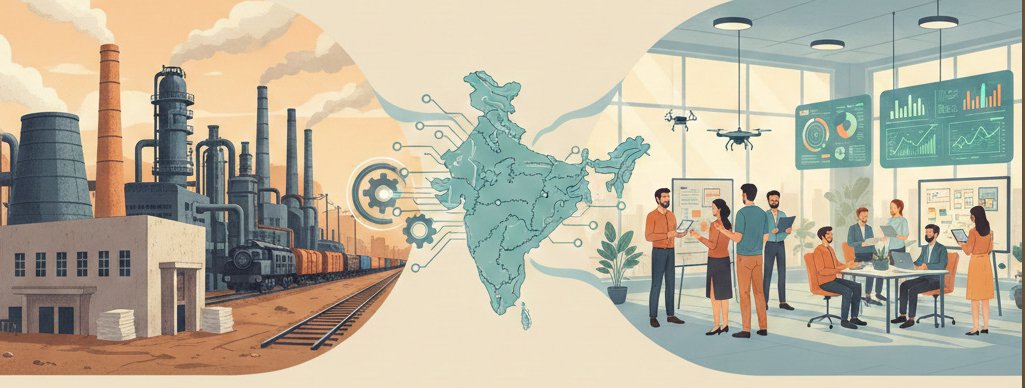
For decades, India’s Public Sector Units (PSUs) have built the nation’s physical and industrial backbone — powering cities, connecting regions, and providing stable livelihoods to millions. Today, they employ over 31 lakh people and contribute nearly 9% of India’s GDP. These numbers represent more than economic might — they symbolise trust, continuity, and service.

Subscribe
Our Newsletter